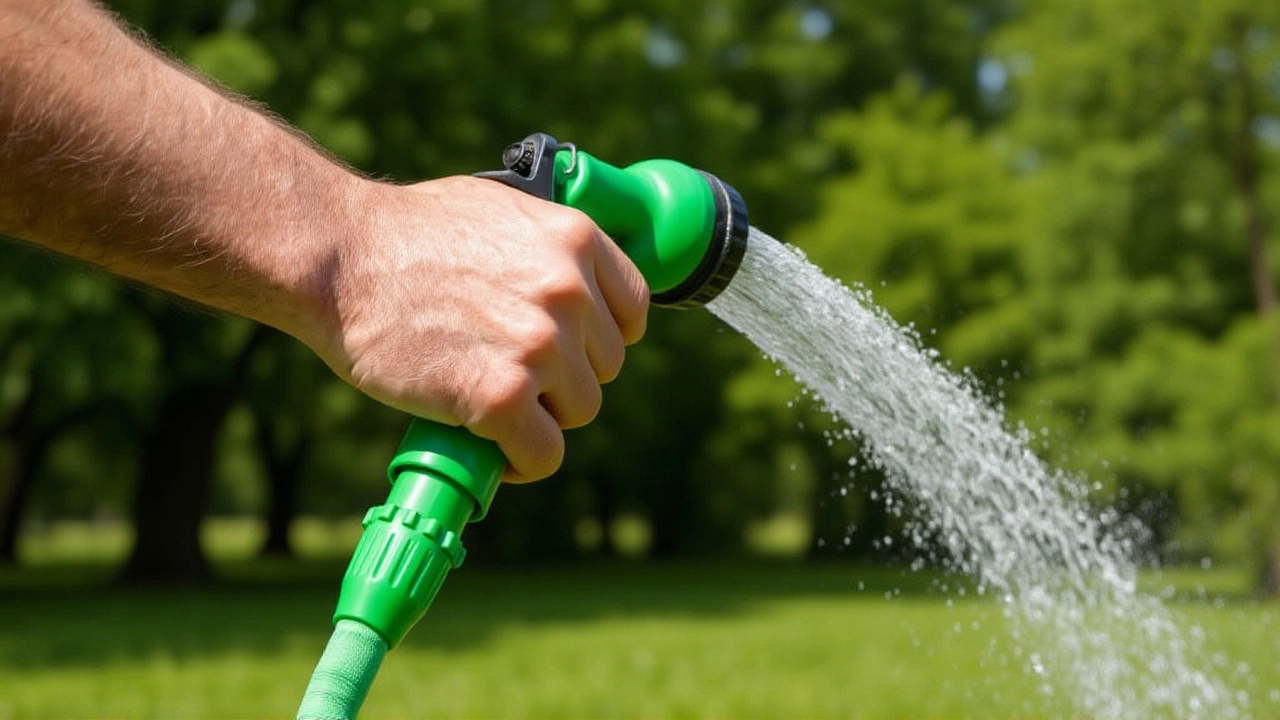
After five months of strict water restrictions, residents across Yorkshire can finally breathe easier. Yorkshire Water announced on November 28, 2025, that its hosepipe ban — imposed on July 11, 2025 — will be lifted within weeks, thanks to a dramatic turnaround in weather. The decision follows three days of torrential rain in late November that dumped 137 millimeters of precipitation across the Yorkshire Dales National Park, pushing reservoir levels from 62% to 73% capacity in just 72 hours. For over five million customers, this isn’t just a relief — it’s a return to normalcy.
How the drought hit hard — and why it lasted so long
The ban began because spring 2025 turned out to be the driest on record. Between March 1 and May 31, Yorkshire received just 72 millimeters of rain — a 68% deficit compared to the 1991–2020 average of 225 millimeters. Reservoirs, which had peaked at 89% capacity in late January, steadily declined through spring and summer, hitting their lowest point of 62% by July 10. Yorkshire Water didn’t act lightly. The company invoked Section 5 of the Drought (Restrictions on Use of Water) Order 2010, backed by two Environment Agency permits: DRP-2025-003 for extra river abstraction and DRP-2025-007 to reduce minimum river flows. The message to customers was clear: "We’re out 24/7 fixing leaks... but we’re asking you to put down your hosepipes." The restrictions barred everything: garden watering, car washing with hoses, filling pools, even commercial pressure washing. Only bucket-based cleaning and watering cans were allowed. Eleanor Margaret Vance, Director of Water Resources at Yorkshire Water, warned customers back in July: "We need to capture enough water this winter to put us into a more resilient position by February 2026." Winter, she clarified, meant December 1, 2025, to February 28, 2026 — and reservoirs had to hit 85% by February 15.The rain that changed everything
Then came November. Between November 25 and 27, the skies opened. The Yorkshire Dales received nearly 140 millimeters — 98% of their entire monthly average in just three days. Rivers swelled. Groundwater recharged. Reservoirs jumped 11 percentage points. By November 28, Yorkshire Water had enough data to declare the crisis over. "Sustained heavy rainfall across our catchment areas has significantly improved storage levels," the company stated. Their hydrology team, led by Dr. Aris Thorne, confirmed reservoirs would reach 82% by mid-December — well above the 75% threshold required to lift restrictions under Drought Plan Section 4.2.3.Crucially, Yorkshire Water plans to voluntarily surrender its drought permits by December 5, signaling the end of legal authority for the ban. The formal announcement of lifting will come between December 2 and 12, delivered via SMS, social media (@YorkshireWater on X), and local press like The Yorkshire Post. But here’s the catch: don’t start watering yet. Robert James Herdman, CEO of Yorkshire Water, urged caution: "Please don’t use a hosepipe until we’ve officially lifted the restriction. We’ll let you know when that is."

Who was affected — and who wasn’t
The ban covered 5,238,417 customers across West, South, North Yorkshire, and the East Riding of Yorkshire. But not everyone. Around 250,000 residents in Sheffield and Rotherham — served by Severn Trent Water Limited — were under separate rules. Their restrictions, if any, were managed independently. That’s a reminder: water supply in England isn’t one system. It’s a patchwork of regional utilities, each with their own reservoirs, permits, and thresholds.Compliance was surprisingly high. Between July and November, Yorkshire Water received 12,843 reports of violations and issued 1,762 formal warnings — each carrying a potential £1,000 fine under the Water Industry Act 1991. Many customers adapted creatively: reusing bathwater for gardens, using short flushes on dual-flush toilets (saving 14 liters per flush), even collecting rain in barrels. The community effort mattered.
Why this matters beyond the garden hose
This isn’t just about green lawns. The economic impact was real. Horticultural businesses — nurseries, landscapers, market gardeners — lost an estimated £12.7 million per week in potential revenue. Greenhouses, allotments, and commercial farms were forced to scale back. With the ban ending, those businesses can finally resume irrigation. The environmental win is just as significant. By avoiding over-extraction from rivers like the Wharfe and Derwent, Yorkshire Water helped protect aquatic ecosystems during a critical dry spell.This marks the first full lifting of a hosepipe ban in Yorkshire since the 147-day drought of 2018. Compare that to the 2022 drought in Eastern England, where restrictions dragged on until March 2023. The difference? Rainfall timing. This winter’s downpour came just in time — not too late, not too early.
Frequently Asked Questions
When exactly will the hosepipe ban be lifted?
The ban will be formally lifted between December 2 and December 12, 2025. Yorkshire Water will notify customers via SMS, Twitter (@YorkshireWater), and local media by 17:00 UTC on the effective date. Don’t assume it’s over until you hear it officially — premature use could delay the process.
Why didn’t the ban end sooner, even after rain started?
Water companies need sustained recovery, not just a storm. Reservoirs take weeks to fully refill from surface runoff and groundwater recharge. Yorkshire Water waited for three consecutive days of heavy rain and confirmed a 11% rise in storage — enough to meet Environment Agency thresholds. One wet day isn’t enough.
Will this prevent future hosepipe bans?
Not necessarily. Climate models show hotter, drier springs are becoming more likely. Yorkshire Water’s long-term strategy includes leak reduction, demand management, and new reservoir projects. But without major infrastructure investment, future droughts could still trigger restrictions — especially if winter rains fail again.
What happens if someone uses a hosepipe before the ban is officially lifted?
They could still face a £1,000 fine. The legal authority for the ban remains active until December 5, when permits are surrendered. Even if reservoirs look full, the restriction is still in force until the company announces its end. Enforcement continues through customer reports and monitoring systems.
How does this compare to other recent droughts in the UK?
The 2018 Yorkshire ban lasted 147 days; the 2022 Eastern England drought dragged on for 227 days. What’s different this time is the speed of recovery. Heavy November rain reversed the crisis in weeks, not months. That’s rare — and a sign that climate variability is increasing, with wet and dry extremes becoming more intense.
Can I still use water for my garden after the ban is lifted?
Yes — but responsibly. Once the ban is officially lifted, hosepipe use is permitted again. However, Yorkshire Water encourages water-saving habits: watering early or late in the day, using a watering can instead of a hose, and choosing drought-resistant plants. Conservation doesn’t end when the ban does.
Hello, my name is Kieran Beauchamp, and I am a fashion and beauty expert with years of experience in the industry. I have worked with renowned fashion houses and beauty brands, enabling me to develop a distinct eye for style and aesthetics. My passion for writing has led me to create engaging content about the latest trends, tips, and tricks in fashion and beauty. I believe in empowering others to feel confident in their appearance and take pride in sharing my knowledge with those seeking to enhance their style.